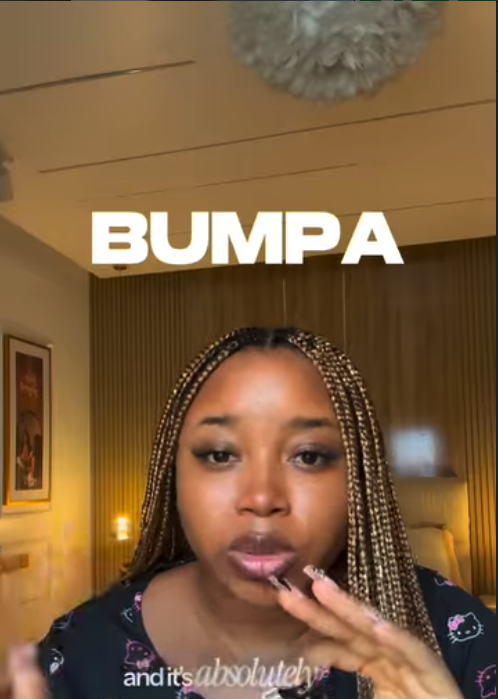

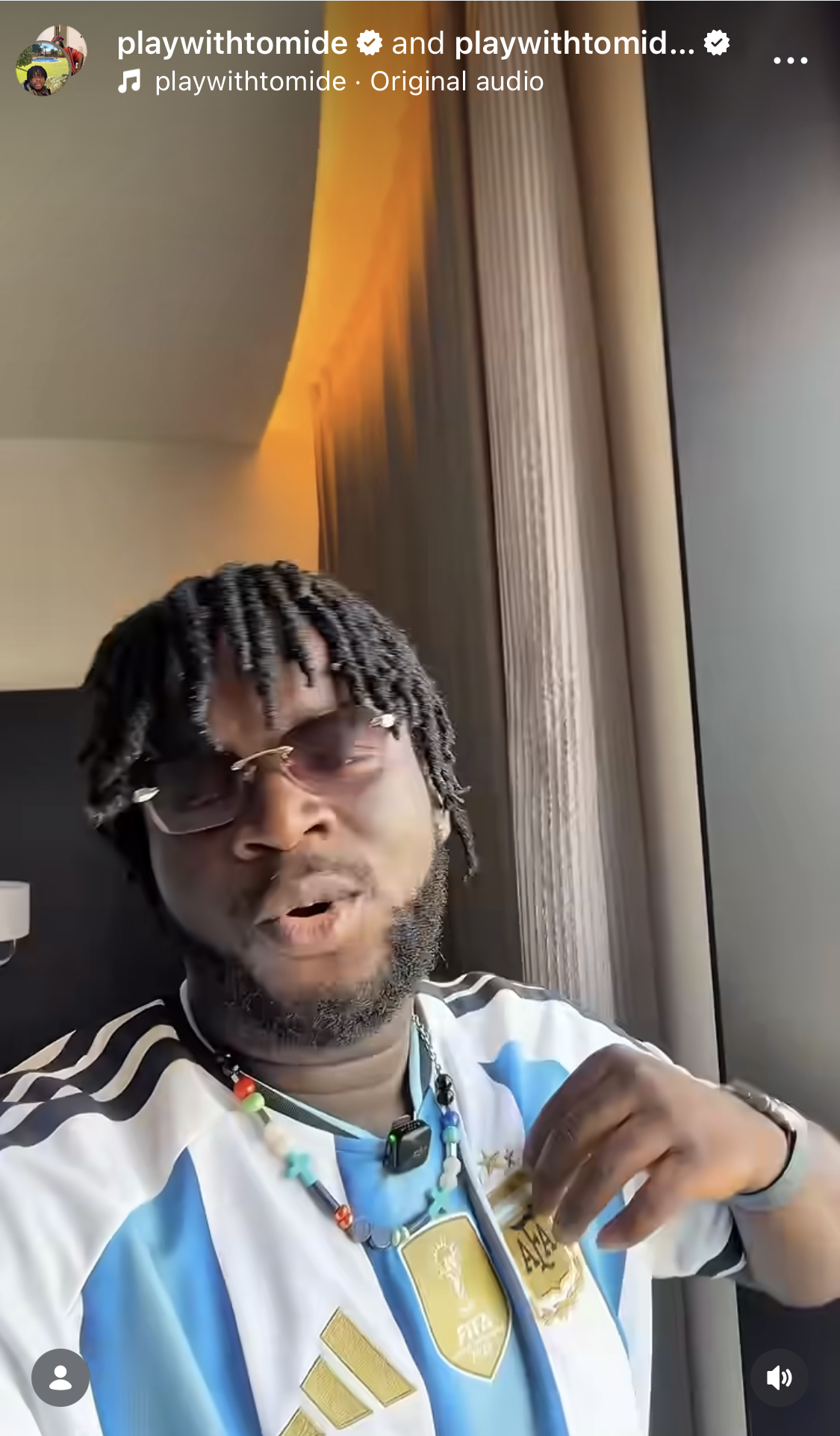
When Adidas Nigeria wanted to ride the wave of World Cup 2026 fever, they didn't reach for a traditional ad buy. They came to Aktivate's Collaboration Hub and put jerseys in the hands of six Nigerian creators with very different audiences: freestyle footballer @chichilz, corporate-girl comedian @donna_amarah, comedian @mc_lively, football personality @playwithtomide, style creator @_ivorydee, and footballer @oluwayinka10.
Nine posts later, the results told a clear story: when the content feels real, the audience shows up — and they tell you exactly what they think.
The numbers
Across the campaign:
570K+ combined views
58K+ combined likes
1,100+ comments
6 creators, 9 posts
But raw reach only tells half the story. What made this campaign work was why people engaged — and that's where the comment sections got interesting.
Comedy and relatability beat straight product shots
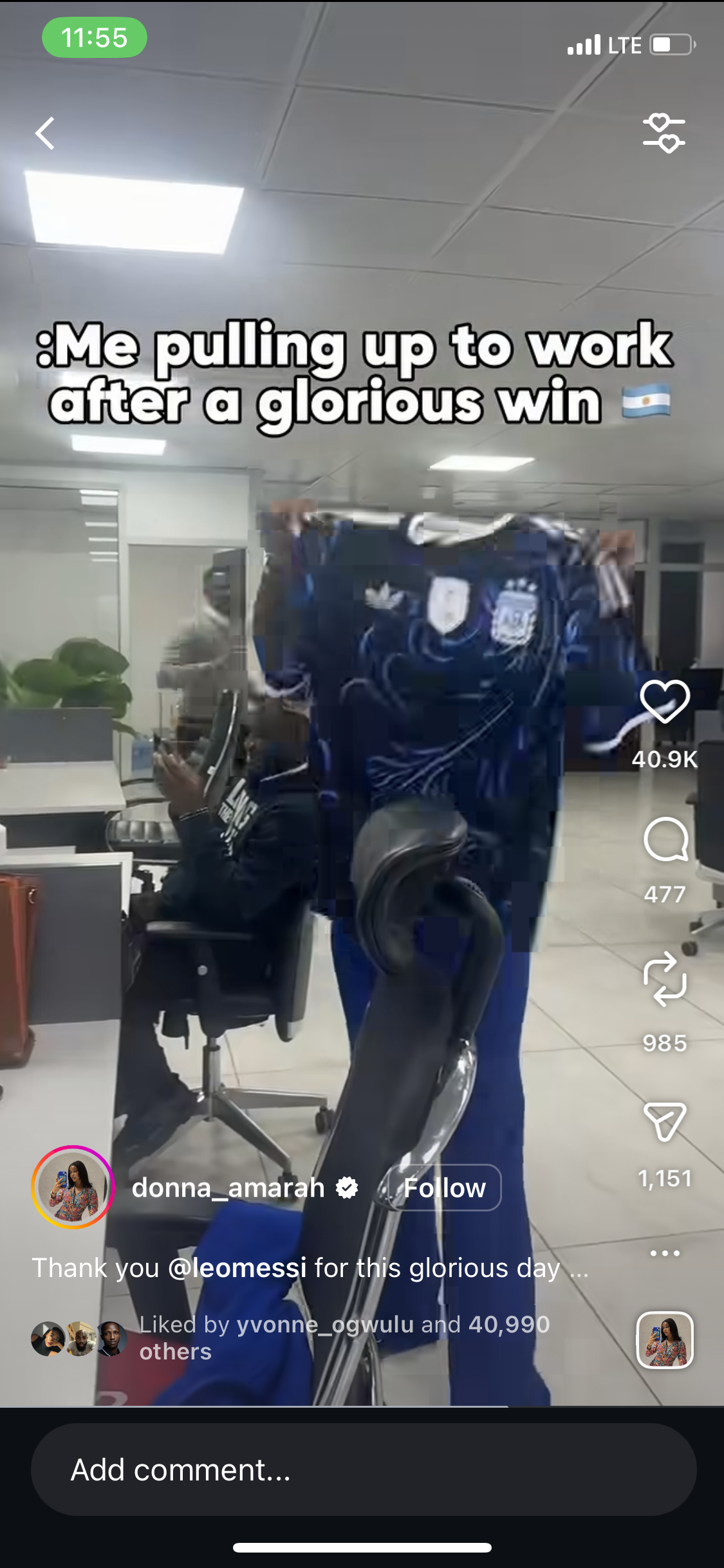
The single biggest performer of the campaign wasn't a polished styling post — it was @donna_amarah wearing her Argentina jersey to the office and leaning all the way into the "corporate girl gone rogue" bit. That one post pulled over 400K views and nearly 41,000 likes, dwarfing everything else in the campaign.
@mc_lively ran a similar playbook with a comedic "beef" angle — loving the jersey but refusing to betray his team loyalty — and it became one of the most shared posts of the campaign, with a line from his caption turning into a running joke in his own comment section.
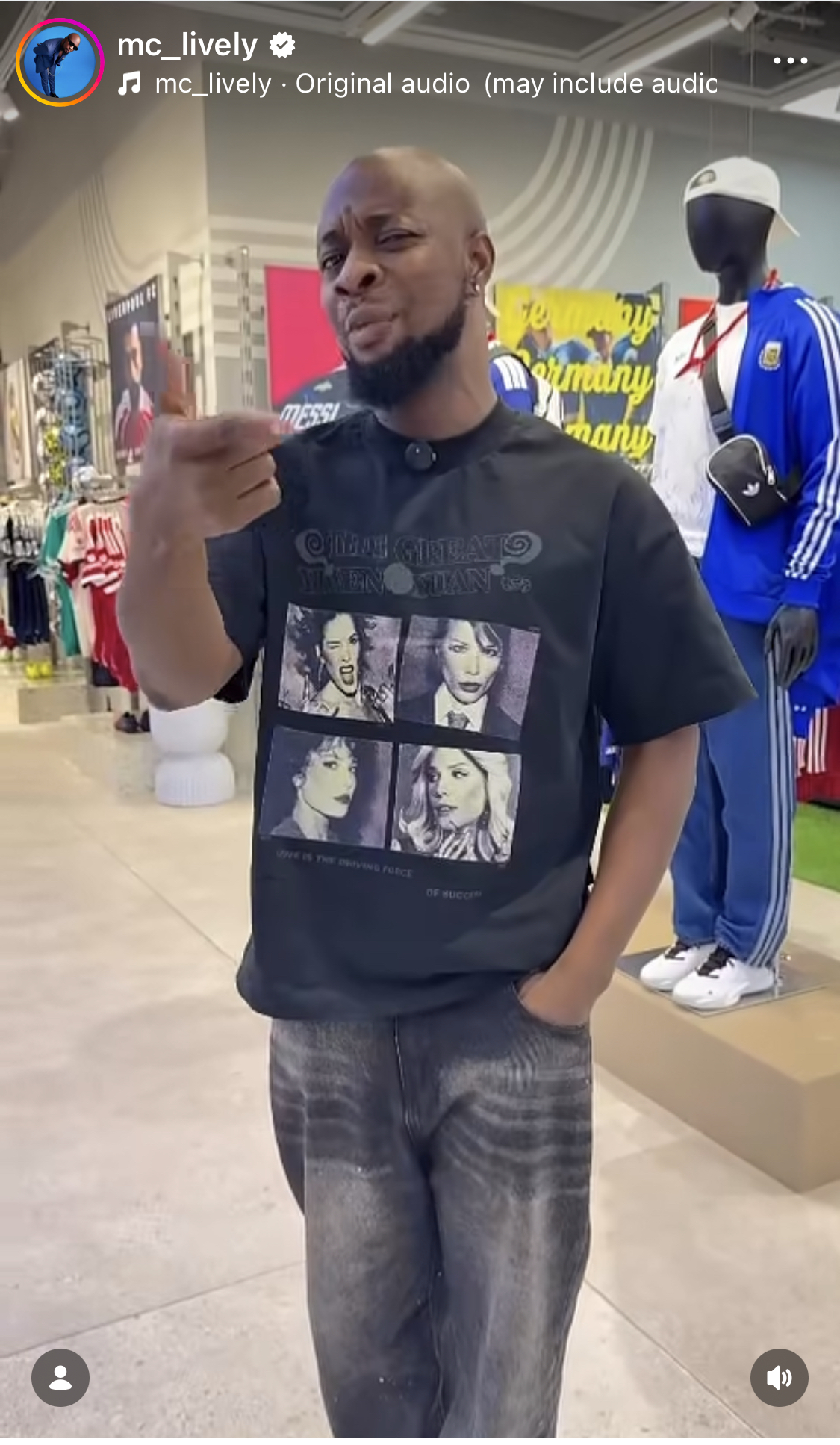
The takeaway: audiences don't just want to see a jersey. They want a story, a bit, a reason to comment.
Football rivalry is a built-in engagement engine
Nearly every post in the campaign turned into a mini debate — Argentina versus Spain versus France versus Portugal, Messi versus Ronaldo, club loyalties versus country loyalties. Creators didn't have to manufacture this; simply wearing a jersey was enough to invite followers to declare a side.
This rivalry energy showed up everywhere, from playful trash talk ("you go cry soon") to genuine team pride (flag emojis, "Vamos" chants) to comment sections that read like a group chat during a match. If there's one content format this campaign proved works in Nigeria, it's "let people argue about football in your comments."
People are actually asking where to buy
Across almost every post, real purchase-intent questions showed up, unprompted:
"Need to get to the Adidas store"
"How much??"
"Please where can I buy Good Argentina Away jersey?"
"Can you tag your jersey vendor please?"
@_ivorydee's try-on post, where she sampled multiple team jerseys, generated the highest concentration of pricing and location questions in the entire campaign. People weren't just admiring the fit; they wanted to know how to get their own.
That's the kind of signal that's hard to manufacture and easy to act on.
Sentiment was overwhelmingly positive
Across every single post, positive and playful sentiment dominated. Genuine negativity was rare and, where it appeared, usually read as banter rather than real complaint. The clearest, most useful negative signal wasn't about the creators or the brand at all — it was a handful of followers flagging that a specific jersey wasn't in stock at a specific store, which is exactly the kind of feedback a retail team can act on immediately.
What this means for creator campaigns going forward
A few patterns are worth carrying into future briefs:
Give creators room to be funny, not just stylish. The best-performing content wasn't the most polished — it was the most personality-driven.
Let rivalry do the work. Team pride is a built-in conversation starter; briefs can lean into it rather than staying neutral.
Make the "where do I buy this" answer obvious. Purchase-intent comments show up constantly — a clear link or store callout in every caption can capture that demand instead of leaving it in the comments.
Comments are a real-time retail signal. A campaign's comment section can surface stock and availability issues faster than most internal reporting — worth treating as a feedback channel, not just a vanity metric.
World Cup fever comes around once every four years, but the lesson from this campaign travels well beyond it: audiences respond to creators being themselves, and when they do, they'll tell you — in likes, in shares, and in the comments — exactly what's working.
This campaign ran through Aktivate's Collaboration Hub, connecting Adidas Nigeria with verified Nigerian creators across football, comedy, and lifestyle content.